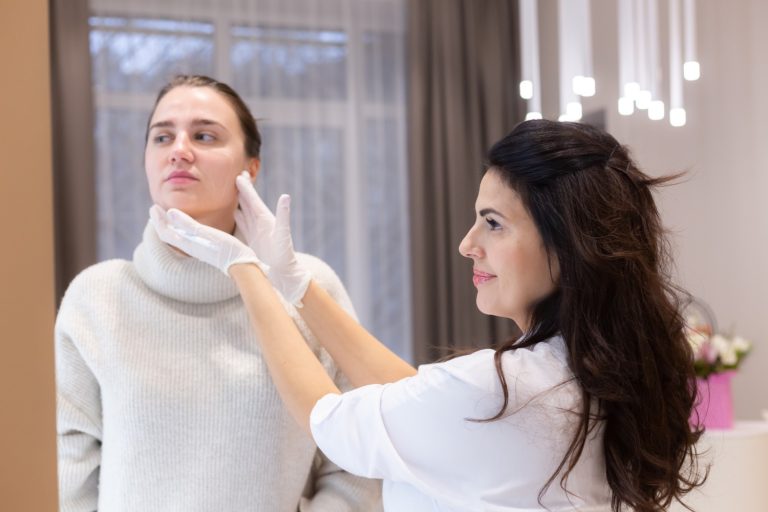
The Glow Routine: How to Build a Hydration Ritual That Actually Works

Healthy, hydrated skin looks smoother, softer, and brighter. Yet many people follow multiple steps, buy new serums, or switch cleansers often and still feel tightness, flaking, or dullness. The problem is not a lack of effort. The problem is the routine itself.
Hydration is a mix of water, oil balance, barrier strength, and consistent habits. When one of these areas falls short, your skin will struggle to stay plump. This guide breaks everything down into simple, science based steps you can use to build a ritual that supports long lasting moisture.
Why Hydration Routines Fail
Over exfoliation
Many people exfoliate too often. This removes the protective layer that keeps water inside the skin. When the barrier becomes thin, moisture escapes fast and no serum fixes the problem. Most people only need exfoliation one or two times a week. Any more often can cause irritation and dryness.
Wrong product order
Hydrating ingredients work best when applied in the right sequence. Using a heavy cream before a lightweight serum stops the serum from absorbing. Using acids before your barrier has recovered weakens your moisture levels even more.
Climate and humidity
Cold air, indoor heating, and air conditioning pull moisture out of your skin. Even oily skin types lose hydration when the environment is dry. This is why your skin feels comfortable on holiday but tight at home.
Dehydration versus dryness
Dehydrated skin lacks water. Dry skin lacks oil. They feel similar but need different support. Dehydrated skin benefits from humectants like hyaluronic acid and glycerin. Dry skin needs moisturisers rich in ceramides and lipids.
Knowing the cause helps you choose the right steps for your routine.
Key Hydrating Ingredients That Work
Hyaluronic acid
This ingredient pulls water into the skin. It works well when applied to damp skin so it holds moisture more effectively.
Glycerin
Glycerin is a humectant with a strong ability to bind water. It is gentle, simple, and reliable. It keeps the surface soft and smooth for longer.
Ceramides
Ceramides strengthen the barrier so water stays inside the skin. They support recovery after exfoliation, stress, or harsh cleansers.
Panthenol
Panthenol calms irritation while improving moisture retention. This is helpful if your skin feels hot or tight.
Squalane
Squalane is a lightweight oil that helps prevent water loss. It suits most skin types and feels comfortable in both warm and cold climates.
These ingredients work best when you layer them in the right order.
The Role of Moisture Layering
Layering adds hydration in stages which helps maintain moisture for longer. A simple structure is:
- A gentle cleanser
- A hydrating toner or essence
- A humectant serum
- A barrier focused moisturiser
This combination covers water, hydration, and barrier protection. Each step supports the next which gives your skin stability throughout the day.
Exfoliation Rhythm That Supports Hydration
Your skin renews itself every 28 days on average. Exfoliation helps the process but only in moderation.
Use one of these once or twice a week:
- AHA for dull or textured skin
- BHA for clogged pores
- PHA for sensitive skin
Always follow exfoliating nights with barrier repair products such as ceramide rich creams or panthenol serums.
How to Repair a Weak Skin Barrier
If your skin feels hot, itchy, or flaky, your barrier may be damaged. Focus on:
- Ceramides
- Cholesterol
- Fatty acids
- Minimal exfoliation
- A gentle cleanser
- No foaming formulas if your skin feels tight
Once your barrier is stable, your hydrating steps will start to work as intended.
Extra Tools That Improve Hydration
Humidifiers
A humidifier increases moisture in the air and helps your skin stay hydrated overnight. This is useful during winter or in rooms with strong heating.
LED therapy
Red LED supports recovery and reduces inflammation. While it does not hydrate your skin directly, it helps maintain a healthier environment for moisture to stay in place.
Water intake and sleep
Hydration starts internally. Drink water consistently and aim for good sleep quality because your skin repairs most effectively at night.
A Simple Morning Routine
1. Cleanse gently
Use a non foaming cleanser that leaves your skin soft instead of stripped.
2. Apply a hydrating toner
Press a few drops into your skin to create your first layer of moisture.
3. Use a humectant serum
Hyaluronic acid or glycerin based serums go on damp skin for best results.
4. Add a light emulsion or moisturiser
Pick one with ceramides or squalane for comfort and protection.
5. Finish with SPF
Sun exposure weakens the barrier and increases water loss. A high SPF keeps your moisture shield strong.
A Simple Evening Routine
1. Cleanse well
Remove makeup, sunscreen, and pollution with a gentle cleanser.
2. Add a hydrating essence or toner
This preps the skin for your serum.
3. Use your active serum
Rotate retinol, exfoliating acids, or peptides based on your weekly rhythm. If using an active, keep your hydration steps simple.
4. Apply a richer moisturiser
Choose a formula with ceramides or fatty acids to support overnight repair.
5. Optional: seal with an oil
A few drops of squalane help reduce water loss during sleep.
When You Want Deeper Hydration
At home routines give consistent improvement, but some people look for extra support. For anyone exploring professional options alongside at home routines, our full Skin Boosters guide explains how in clinic hydration treatments work and what results they can offer.
A strong hydration ritual works when you support the barrier, use the right ingredients, and keep consistency. Small steps build noticeable changes. With the right rhythm, your skin stays plump, smooth, and balanced in every season.