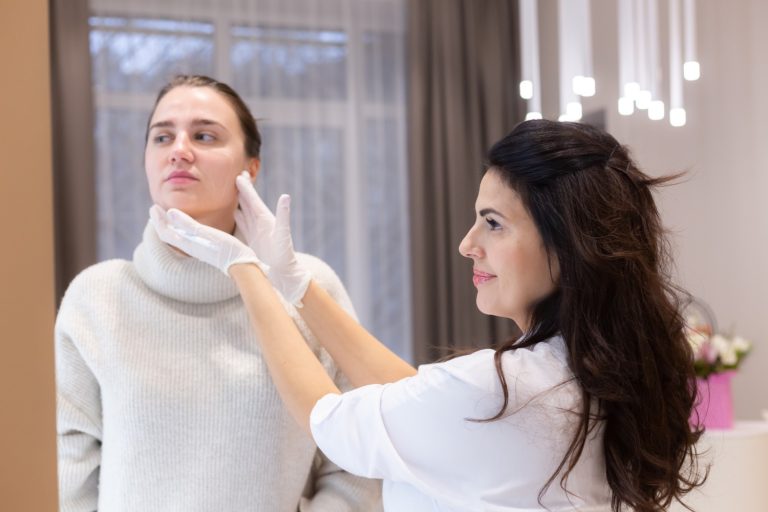
Skin, Stress, and Hormones: How to Create a Holistic Approach to Managing Your Vitality

You cleanse, you moisturise, you invest in good products. Yet during busy or difficult periods, your skin still lets you down. Breakouts appear before big events. Dullness settles in no matter how much serum you apply. Fine lines seem to deepen overnight. The frustrating truth is that the problem often has little to do with your routine. It starts inside your body, with stress and the hormones it disrupts.
Why Stress Shows Up on Your Skin
When you feel under pressure, your body releases cortisol. This hormone is useful in short bursts, but when levels stay high it works against your skin. Cortisol pushes your oil glands to produce more sebum, weakens the moisture barrier that keeps hydration in, and speeds up the breakdown of collagen. The result is skin that feels oilier yet drier, reacts to products it once tolerated, and loses firmness sooner than it should.
The connection runs deep. Research from Harvard Health shows that the brain and skin communicate constantly, and that psychological stress can trigger or worsen conditions such as acne, eczema, and psoriasis. Your skin is not separate from your mind. It responds to it.
The Hormonal Layer Most Routines Miss
Cortisol rarely acts alone. When it stays elevated, it unsettles the wider hormonal balance that governs how your skin renews itself, how much oil it produces, and how much energy you have day to day. Oestrogen, progesterone, and thyroid hormones all play a part in skin thickness, hydration, and glow.
This is the layer most beauty routines miss. A cream can support your barrier, but it cannot correct what is happening beneath it. Treating internal balance as the foundation, rather than an afterthought, is what turns a skincare routine into a genuine vitality plan.
Calm Your Skin From the Outside
While you work on the inside, give your skin less to fight on the outside. During stressful phases, simplify. Pause strong exfoliating acids and high strength actives, as a stressed barrier cannot cope with them. Choose a gentle, fragrance free cleanser and a moisturiser rich in ceramides and hyaluronic acid to rebuild your defences and lock in hydration. Think of this stage as repair rather than transformation. Once your skin feels calm again, you can slowly reintroduce your usual products.
Support Your Hormones From the Inside
Internal balance is built through small, repeatable habits. Start with food. Refined sugar and heavily processed carbohydrates spike blood sugar and feed inflammation, which shows up on your skin. Swap some of them for omega 3 rich options such as oily fish, walnuts, and flaxseeds, which help calm the body from within.
Try to move daily. Regular activity lowers cortisol and releases endorphins, which ease the stress response naturally. Even a brisk walk counts. Protect your sleep. Deep rest is when your body repairs cells and produces collagen, so poor nights show on your face quickly. The NHS Every Mind Matters guide offers simple, practical steps for falling asleep faster and sleeping more soundly.
Finally, give your mind ten to fifteen minutes each day. Breathing exercises, meditation, or gentle yoga all help lower cortisol and steady your mood.
How to Read What Your Skin Is Telling You
Your skin often signals internal imbalance before anything else does. This quick guide shows what your symptoms may be pointing to.
| What you notice | What it may point to |
| Breakouts during busy or stressful periods | Raised cortisol increasing oil production |
| Tightness and sensitivity to your usual products | A weakened moisture barrier |
| Dullness despite good skincare | Ongoing inflammation from diet or stress |
| Persistent skin changes alongside irregular cycles or fatigue | A hormonal imbalance worth investigating |
Stress breakouts, tightness, and dullness usually improve with the skincare and lifestyle changes covered above. Persistent changes alongside cycle or energy problems point to something deeper.
When to Look Deeper Than Lifestyle
Sometimes lifestyle changes are not enough. If skin problems persist alongside other signs of hormonal imbalance like irregular cycles, ongoing fatigue, or difficulty conceiving, it is worth having your hormones properly investigated.
A registered dermatologist can assess whether skin changes point to an underlying condition. Bupa UK helps you find skin specialists in your area. For hormonal and reproductive health, specialist clinics such as www.hulleastridingfertility.co.uk carry out detailed assessments to uncover issues that skincare or diet alone cannot resolve. If nutritional deficiencies are playing a part, the British Association for Nutrition and Lifestyle Medicine directory connects you with registered practitioners who can personalise dietary support for hormonal balance.
Getting clear answers early means you can address the root cause rather than manage symptoms indefinitely.
A Balanced Way Forward
Radiant skin is a reflection of what is happening inside your body. When you manage stress, eat well, sleep deeply, and keep your hormones in balance, your skin responds without needing a cabinet full of products. Build the internal foundation first, keep your topical routine gentle and consistent, and seek specialist support when your body signals that something deeper needs attention. That is what a truly holistic approach to vitality looks like.